How to Ease into Working Out

Some people, actually many people, nowadays have found themselves in lousy physical shape and don’t know how to get back to where they used to be in their younger years.  Here are a few suggestions of how to introduce or reintroduce health and fitness into your lifestyle .

  1. Walking-  People who used to be in good shape, can often doubt the impact of walking, but this is a good way to get moving and active.  Try to add walks into your lifestyle is a good starting point. Pick nice places to walk like in nature, and even go walking with family or friends.  Some want to jump into more intensive forms of exercise and thus shy away from walking, however with walking the difficulty level can be adjusted by doing the following things: More challenging courses with hills and stairs; picking up the pace and walking quickly; adding light weights to the arms/legs or even using a weighted vest;  incorporate running into the walking where you walk for a certain period of time and then run for a period of time- called an interval workout of walking and running.
  1. Personal Training- Working out with a personal trainer will cost you more than walking, but it is a good way to get going for several reasons. First, paying money and investing time gives one motivation to make workouts habitual practice.  Our sages say that we are required to make a consistent time for learning Torah, so that it can be a habit and something that doesn’t get passed over, and the same can be done with fitness, especially when sessions are scheduled in advance with a trainer.  A good trainer will also know how to ease you into workouts. They will choose exercises that match your level of fitness and will watch you workout and gauge whether you should continue and push yourself to do more reps or to stop and take a breather before continuing.  Further, a trainer will allow you to workout in a way that is supervised because so many people return to fitness and over do it or exercise with lousy form, which can cause burnout or injuries. A trainer will supervise and will lesson the chance of injury, especially during weightlifting.  
  1. Equipment-  A nice piece of equipment that I recommend is a fitness watch.  There are different companies with different features and price ranges.  I use a Fitbit Charge 2 and it has lasted me for several years and I am happy with it and I hear that fitbit was at the forefront of the fitness watch movement.  There are also telephone applications that track some data, but I think that watch is a more of a constant reminder and accurate way to measure your daily exercise.  Plus, the goal here is getting us off of our phones and moving! These watches tell you how many steps you are taking daily, your heart rate, calories burned, steps climbed, and then all sorts of details while you work out such as distance run (or biked, walked, etc), average heart rate, amount of incline in the run, average pace, and more.  A good fitness watch can motivate you to increase your daily step count and make sure that you are moving. It can also make workouts more fun by being able to track the details of your workout and your exertion levels.  

Another gadget that I would recommend is wireless headphones.  There are some great new models out now like the Apple Airpods.  This is a great investment in my opinion for several reasons. First, they allow you to be more active as you talk on the phone, so that you can comfortably walk, run, stationary bike, etc. as you talk (if you are able to).  Second, they have become very comfortable and they allow you to workout without interfering with your workout, and you can listen to music, lectures, and things that can make you mentally motivated.

4)   Do some self introspection and figure out which form of exercise is most enjoyable for you.  The RAMBAM recommends that a person should do the form of exercise that they are drawn to in terms of what they really enjoy.  If you are a sports person, then find a way to get into an organized sports program like pick- up basketball for example. If you enjoy the pool, then maybe there is a way to make swim workouts happen.  Consider things like, do I want to be indoors, outdoors, more strength oriented, or more aerobic oriented. Figuring out what you like or maybe trying new types of workouts can be a great way to build motivation.  Many people become “hooked” on running or crossfit after trying these workouts with groups or classes. 
Parshat Pinchas


Our Parsha begins with Pinchas, the son of Elazar, receiving one of the greatest praises that Hashem gives to any individual in the Torah.  A “Brit Shalom” covenant of peace, is awarded to him for his merits. What was so great about his actions that merit him to receive such praise?

Let’s first explore an idea of test and reward. We learn that we are constantly being tested by Hashem in our lives.  The Yetzer Hara “the evil inclination” puts tests before us and then reports our results up to Hashem. Our lives our full of tests and that is why the study of Torah and working on our “midot”, (our personal traits) is so important, so that we will properly know how to tackle these challenges.  If something or someone angers us, will we explode or will we have the restraint to stay calm; Someone tempts us to do evil, do we succumb to the peer pressure or do we have the strength in our values to stand up for what is right;when bad thoughts enter our minds, do we continue to dwell on them, or can we have the ability to end these toxic thoughts even though we know that nobody can read our minds and know what we are thinking.  These are just a few of the millions of tests that we constantly go through on a daily basis.  

Nobody goes through life without tests and we see that our great Tzadikim (our Jewish heroes and Heroines) went through tests that we would never wish normal people to go through.  Similarly, if people attend a class of a motivational speaker, if the speaker says that they never had to go through any significant challenges in life, nobody would be able to connect to the speaker because we all know that tests and challenges happen to us all.  To the rich and to the poor, to the young and the old, to the male and the female, to the intelligent and to the simple minded.  

The Torah recommends that a person not become too rich or too poor, because both of these extremes with lead a person to have immense challenges.  The rich will have many “problems of the rich and famous”, where they will have little respect for others (often even their family members) and become self centered and become gluttons who over-eat, over-spend, over-gamble, or over-use drugs and alcohol.  They will have immense pressures pushing them to cave into their evil inclinations. The very poor person will also have immense challenges of jealousy and coveting what others have and the inclination to steal and not being able to give. We learn from our sages that the “middle route” is the best and that the challenges of the extreme are likely be too great for a person to handle.  

So now with this idea of tests and reward and Pinchas, why was he rewarded so greatly?  His reward was essentially GD telling him that you and me will be friends forever. We do not know the reward for each mitzvah that we do and the ethics of our fathers tells us in a mishna that we should not start to guess the value of each Mitzvah and that a small mitzvah is just as important as a big mitzvah.  There is an idea that although we cannot assign values to different Mitzvot, if a person does a mitzvah that is harder for them to do and really fights their “yetzer hara”, then this provides the biggest reward for them. One of the hardest things to do, is to not be “a sheep” and do just as everyone else is doing.  Being different is uncomfortable, difficult, but we see that our leaders and very successful people, often got there by taking a different approach.  

We have been dealing with the nations of Moav and Midian, waging war against the Jewish people.  They want to destroy Israel as they sense the close Godly connection and they want the Jewish people  eradicated from the world (sound like a familiar story). So they first want to kill us in battle, since the obvious way to get rid of a people is to literally kill them.  But just like today, where our enemies realize that the IDF is very powerful and the Jewish nation is strong, they fear to engage in war with us. They were initially afraid because Israel had just won big battles against the most powerful nations of the world, and so they knew that military victory would be nearly impossible. They tried sorcery and black magic, and hired the most powerful evil prophet in the world, Bilam, to launch spiritual warfare against Israel, and this did not work.  Bilam is so shocked by the holiness of the Jewish camp, in their great modesty, that he can’t help but give them a blessing. “O how goodly are your tents, Jacob, your dwelling places of Israel”. This leads them to their next tactic, which is to lead the Jews astray from Hashem and get them to sin and thus destroy themselves. They unleash their women on the Jewish camp, and many men sin with them. Moshe cries that his people are abandoning the commands of GD and is paralyzed with sorrow, but as Zimri (the leader of the tribe of Shimon)  publicly sins in front of everyone with a Midianite woman (who happens to be a princess of Midian), Pinchas the son of Elazar is the first to react and says that enough is enough and he kills both her and Zimri. Everyone was too afraid to do anything as this was an important head of a tribe and an important woman, but Pinchas immediately acted.

  If a person (lo aleinu) knows that his end is near and he sees his life is about to end, he should say Shema Israel H’ Elokeinu, Hashem Ahad and then Baruch Ata Hashem mekadesh et shimcha b’rabim.  This means may Hashem’s name be made Holy to the multitudes/the masses. Bringing Holiness to Hashem is our goal in this world, and we have the mitzvot as our road map. Sinning, which affects our Neshama (our soul) and brings us punishment in Olam Haba (after life) and often also in Olam Hazeh (this world), but when a person sins to the masses, meaning makes a very public sin or gets others to sin, this is much worse than even a personal sin.  Because of the public sin of Zimri and showing that others should do the same, Pinchas immediately realized how much Hashem detests this and he took matters into his own hands. He would later be praised for his courage and leadership. 

Some of the messages learned here:  It is important to be a leader and not follow the sins of the masses,and it is important to stand up for glorifying Hashem’s name.  To make a decision with full confidence we should study Hashem’s Torah and know wholeheartedly what is right as much as we can. Pinchas came from the tribe of Levi and they were granted the ability to be the holy teachers of Torah for years to come, so PInchas’s Brit Shalom can refer to Torah and its ability to bring peace in the world.  The Pirkei Avot says, “Marbe b’Torah, Marbe b”Chaim”- Lots of Torah learning brings lots of meaning and quality to life. We also say in the final paragraph of Ein KeloKainu that Talmdei Chamchimim (Torah scholars) bring great peace to the world.    

Altra Running Shoes: Escalante versus ONE V3’s

Altras:  Comparing the Escalante 1.5 vs. the One V3 

Mordechai Sopher

The Appeal of Altras:

For those of us with wide feet or those looking for a wide toe box shoe that doesn’t squish the toes, almost any Altra shoe is a great choice.  The wide toe box is a big focus of all of their shoes, and some models have more spacious toe boxes than others. Finding a wide running shoe is not always easy as most shoes tend to be narrow and I have found that even the wide sizes of most running shoes, still press on the toes.  Altra shoes have a great toe box and the comfort level is higher than any other running shoe in my opinion.  

Day to Day Use:

Altras are one of the few types of running shoes that can really be worn comfortably throughout the entire day.  This was a big factor for me in switching to Altras as a fitness trainer and Physical Education teacher and someone who needs to be in comfortable athletic shoes all day. The Altra Escalante is the most comfortable for this as it has the wide toe box but also the stretchy mesh fabric that makes it feel as though you are wearing a sock.  The shoe has tremendous comfort and is also light and has a nicely cushioned sole. The One V3’s also have the nice wide toe box, however the material is stiffer and presses slightly more on the toes. As a day to day shoe, I like the Escalante and I can really wear this shoe comfortably all day long and while training.

Stability:

Although the Escalante has many good running reviews, I immediately found the shoe to be not stable enough on my foot.  The stretchy material which makes the shoe super comfortable, does not succeed in really holding the foot firmly in place and they are not so good for quick changes of direction and could be a potential problem for those prone to twisting ankles. The mesh seems to loosen with time, which can make this even more of a problem. If I go out on a nice and easy run where I am “cruising”, the shoe is very comfortable and does the job, but for pushing myself to run faster or do tougher courses, I am not going to use this shoe because of the lacking stability.  For this reason, I decided to try the One V3’s because they look very similar to the Escalante, but the outer material is stiffer and makes more of a shell around the foot. I have found that the One V3’s have the strong qualities of the Escalantes in their light weight, wide toe box, and comfortable spongy sole, but the stability is significantly better and I would choose to use them on tougher runs.  

Sole:

These two shoes have very similar soles in that they are medium thickness, zero drop, very comfortable and springy, and suited largely for road running.  I say largely for road running because although they can handle the trails, the sides of the sole can quickly start peeling and the tread on the bottom seem to wear down a bit quickly but the springiness of the sole has pretty good durability. The One V3 has a different tread design that seems to be a bit better for traction than that of the Escalante. For running up to about 10 km I am a big fan of these shoes, but I have found that with longer runs I would like a bit more of a thicker sole.   

Summary:

So there you have it.  These are overall two very solid shoes in terms of being very light weight, highly comfortable, with the Escalante having a bit of an edge in the comfort department and the One V3  having the advantage in the support and stability category. Both have decent durability and are nice looking shoes, which appear less duck-like than some of the other models of Altras.  I would recommend both shoes and suggest that the Escalante be used as an easy training and day to day shoe, whereas the One V3’s are more suited for more challenging runs due to the increased foot support.  

Review of Israel’s Marathons

This year I was proud to have run all of Israel’s organized 42.2 kilometer Marathons.. or so I thought. Soon after running what I thought was my missing link, the Tiberius Marathon, I was informed about a new Marathon added this year, the Dead Sea Marathon. Bezrat Hashem next year I will run this marathon, and who knows, maybe there will even be more added.

First of all, it is incredible how despite the small size of Israel, we have 6 marathons, and thats not including a variety of ultra marathons. The running culture is strong in Israel and it makes sense as we are a nation where fitness is important to us because we have the most beautiful land in the world. Desert, Mountains, Beach, Forests, lakes, you name and we have got it. Each marathon that I have done has been very different and I want to give a brief review of each of these amazing courses.

Jerusalem: This is a serious happening! More people run this marathon than any other Israeli Marathon and the atmosphere is incredible. Many teams, groups, friends, and families come together every year to be part of this. There is a big celebration in the center of Jerusalem in the Gan Sachar, and along the way, there is constant energy in people cheering you on, music playing, and an exciting course. This holds a special place in my heart, because it was my first full marathon and I have since run it again because I enjoyed it so much. The course is a pretty hilly one, but it also includes some gradual hills and some flat areas as well. Towards the end, there are some short but steep hills in the Katamon neighborhood, and in the middle there is a long incline heading towards the French Hill. In the French Hill, there are some nice desert views and my favorite part of the run is going through the Old City. My first time running the course, I was a bit fatigued and then the “Kedushah” of the Old City gave me an incredible energy boost. The run also goes through neighborhoods like Givat Ram, Emek Refaim, Talpiot, and the City Center. Again, the course has a good amount of hills, but the energy of this run is something special that really propels you along and makes it a very fun event.

Tel Aviv:

I enjoyed the course which included running along the beach, into Jaffa, and down many of the big streets in Tel Aviv. The energy of the race is pretty good as there are many runners and there is a lot of noise and festivies along the course of the run. The course is flat for most of the time and any inclines are gradual. There were several things that I did not like about the marathon however. At several points the full marathon course and the other distances mixed on one street and the street became very jammed and crowded and I had to slow down my pace during these parts. Most runs will separate the distances onto different tracks, which I think is much better and prevents conjestion on the roads, especially in these big races. I also experienced at times that the residents of the city were not so pleased about the event and several went across as I was running, without seeming to care. Unlike Jerusalem, I didn’t feel as much of the support from the spectators. Then the biggest problem is at the end of the race, when all of the distances are running together there is a turn off for the full marathon to a different and smaller finish line. Race volunteers did not tell me to take this turn offf and it was not clearly marked and I was after about 40 kilometers of running. I followed the flow of runners in the direction of the big finish line. Upon getting there I realized that I was the only one with the full marathon bib. I turned around and backed, saw the turn off and then finished at the small finish line of the full marathon. Maybe this has been changed, but it was not a good feeling of making a wrong turn and again this is a problem when runners from the different events are combined on the same road. I should also add that water stops were less frequent on this course and that the run started a bit late and it was quite hot by the end and I know that some years people have passed out from the heat. Despite the pretty course and the energy, this was my least favorite Marathon.

Tiveria:

Jerusalem, Tel Aviv, and Tiveria are the three big races. Tiveria was overall a very nice run. The course is the easiest in my opinion of any Israeli marathon. It is a very flat course and it is a there and back course, so that on your way back you really know how much you have left ahead of you. I ran my fastest time in Tiveria and I have heard the same from most runners. It is a pretty course, along the Kinneret for almost the entire way. The atmosphere in the city of Tiveria is festive and fun and it is a peaceful and pleasant run in which most of the run is outside of the city. Tel Aviv and Jerusalem take place mostly inside the city. The weather was great when I ran it, but I have heard the some years the wind is intense and the first year that I was planning to run it, the race was postponed due to rains and flooding.

Eilat:

As a big fan of running in the desert and trail running, I had to run this Eilat Marathon, despite the long commute to get there. This run starts and ends in Eilat but most of it is out in the desert. It is a small race and I ran it the very first year that it opened, so perhaps more run in it now. The run is a desert run that is peaceful and beautiful. Trail running makes the pace slower and there is a tough section in the middle with an incline and some sandy and rocky terrain which makes you feel as if you are running quite slowly. By the end of the run it gets pretty hot, so I think an earlier start could even be better, but overall this was a challenging yet relaxing and nature filled marathon that they call the “desert marathon”. It is nice to run these smaller races where the road is not totally packed and you have to do more self motivating on this course because unlike people lining the streets of Jerusalem to cheer you on, in Eilat you are out in the desert and on your own with just you and the other runners.

The Tanach Marathon:

This is a very special marathon, with the most challenging course in my opinion. I ran my slowest time in this marathon, but enjoyed the experience immensely. First of all, there are some serious uphills. The first half from Rosh Haayin to Ariel is almost exclusively uphill and thankfully the run starts very early in the morning. Ariel has some intense hills, and then there is one downhill section followed by gradual uphill again until the end at the Mishkan in Shilo. This run was unique in that you start and finish in different locations and you really have a goal of getting to the holy mishkan. This run has a history from our Tanach as a run performed by Ish Binyamin, and it really is amazing to run through our holy land. It is so nice to run through the Shomron and feel safe and free to do so and enjoy the beautiful views and land. Again, this run has some serious hills, but it is another run that is smaller and it is a special group of people who participate in this run.

There you have it, a little bit on each one. I’ll keep you posted as I Be”H do the Dead Sea run this year, and who knows what else is in store.   

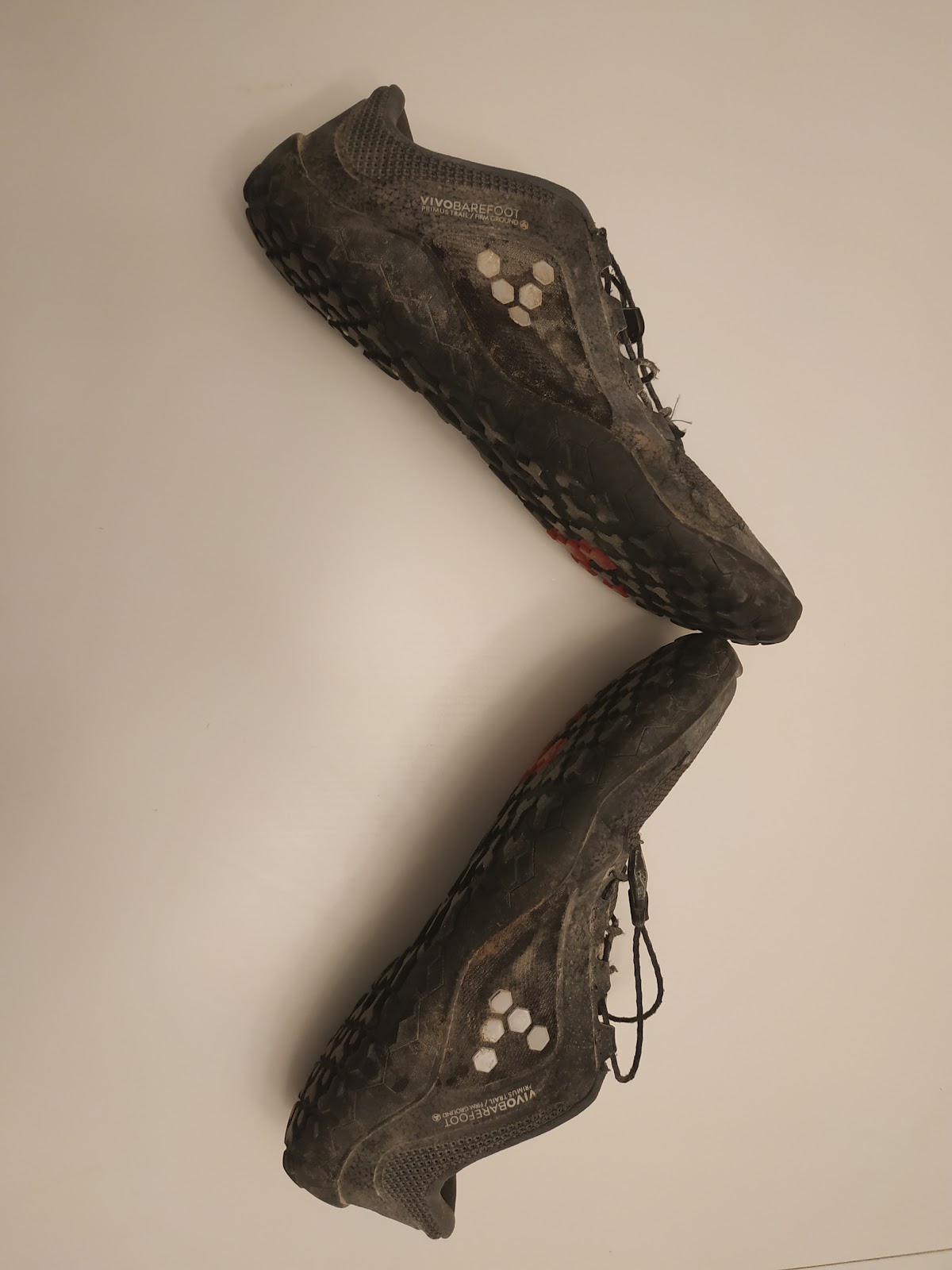
Vivo Barefoot Primus Trail Shoe Review

Review of the Vivobarefoot Primus Trail FG 

Mordechai Sopher

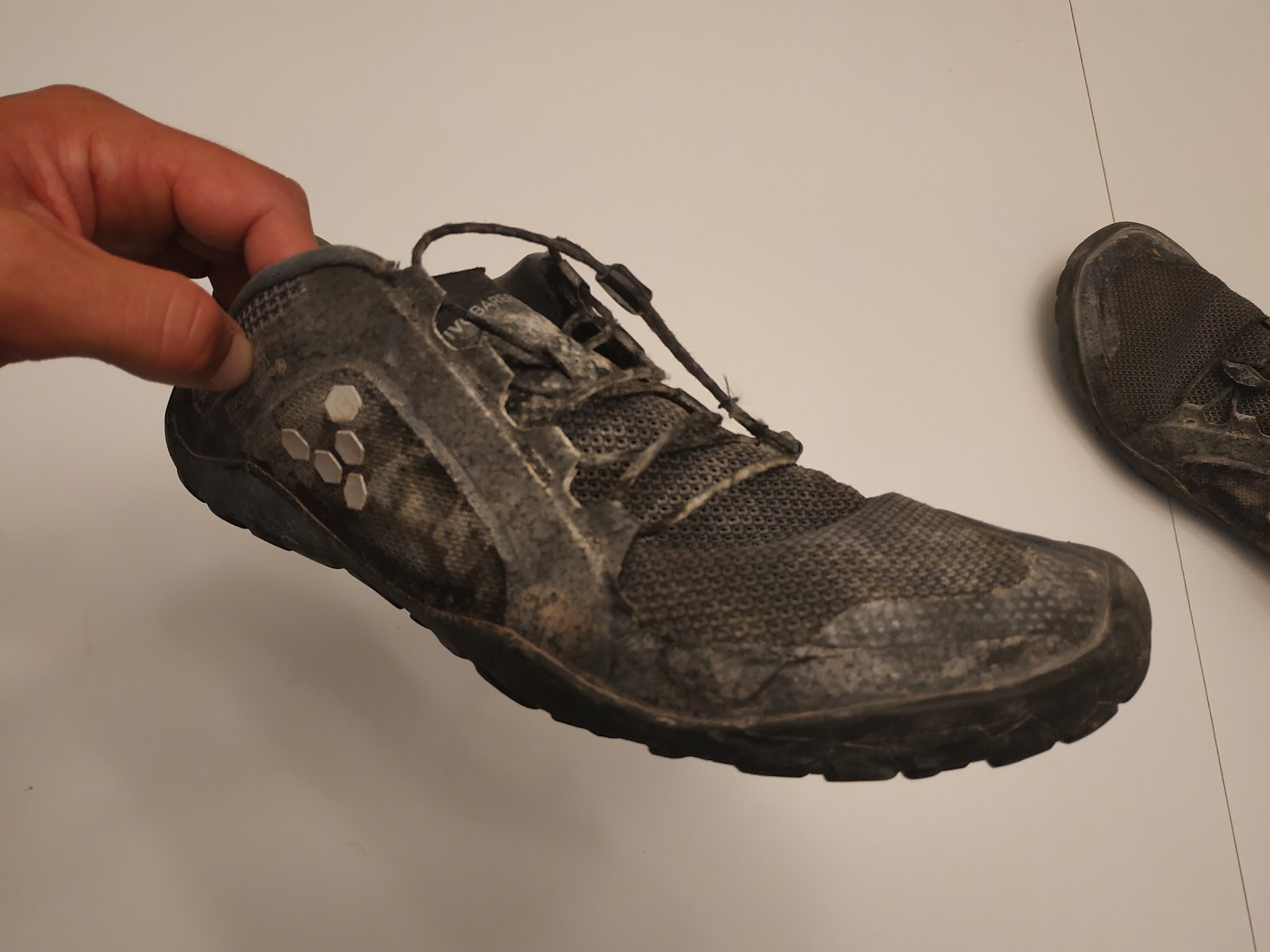
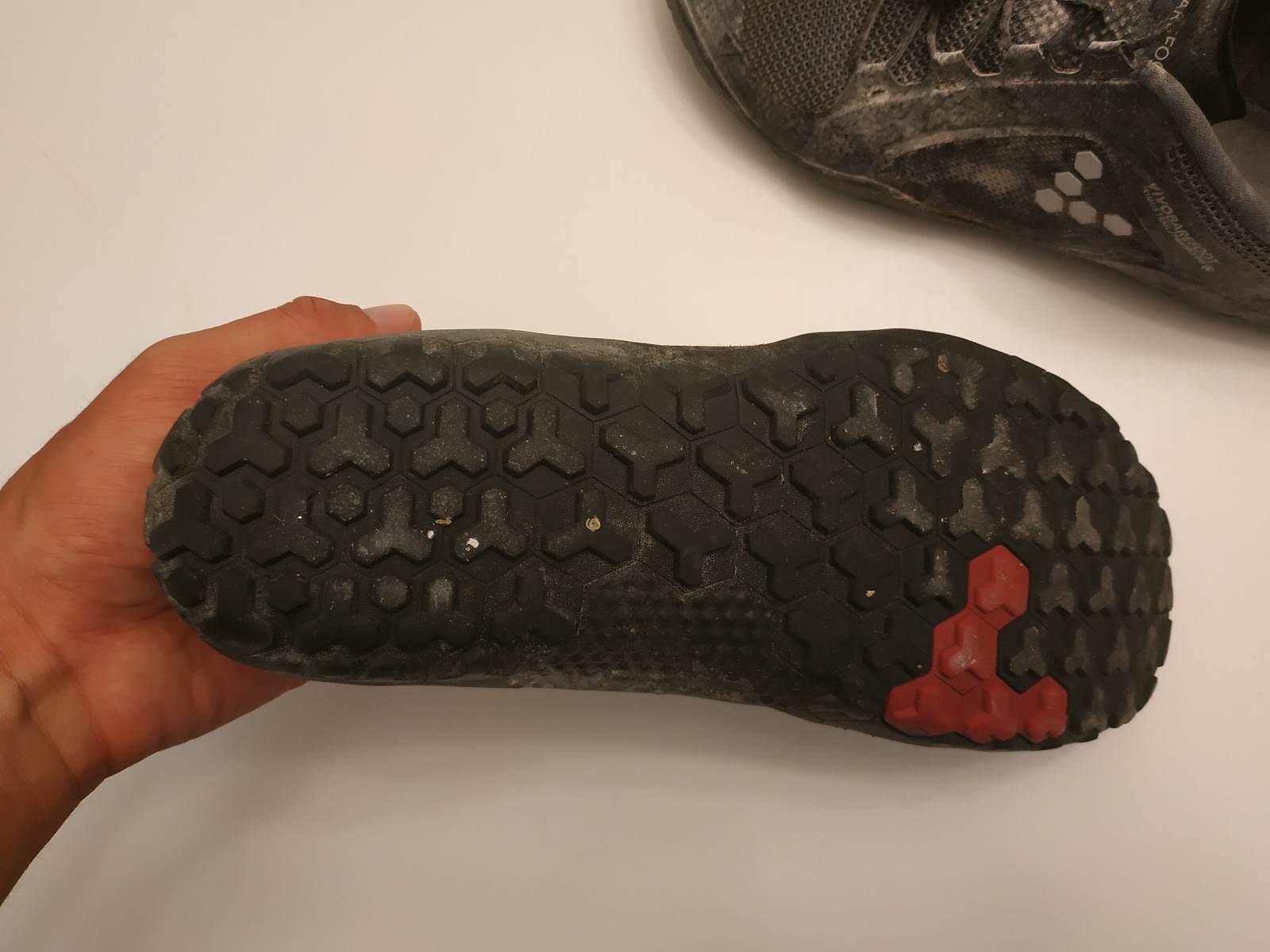
Vivobarefoot’s Primus Trail FG trail running shoe is an overall excellent shoe for those who are interested in minimalist trail running.  While this was one of my pricier running shoe purchases, the quality of these shoes is very impressive. This is a super minimalistic, barefoot-style shoe that is lightweight and has no extra bulk, yet is amazingly strong and durable.  This shoe wears down much less quickly than more substantial and bulkier trail running shoes in both the sole tread and the top of the shoe.  

Barefoot Trail Running:

 As minimalist shoe lovers are aware, the benefit of going minimal is the incredible feeling of running barefoot, or rather barefoot but with enhanced grip and foot protection.  This is an incredible sensation, and with the Primus trail shoe you can certainly feel this sense of running with light feet and without the bulkiness of regular shoes as you fly along the trails. The barefoot style is advantageous for working on running form by forcing proper technique and running on the balls of the feet, which will naturally provide a tremendous leg workout, so don’t forget to stretch well after your run!!!    

A Unique Shoe:

So what separates the Primus from the rest of the field?  This is a very comfortable shoe that has a wide toe box to allow for comfort and toe splay.  This shoe can be worn comfortably for a longer duration than other types of minimalist shoes as the toe box allows for natural toe separation but does not pull the toes apart, which can get uncomfortable after a while.  This Vivobarefoot model has better ventilation than many barefoot shoe models, which is important for odor control and comfort while running. The mesh that goes along most of the sides and top of the shoe allows for air flow and is a very strong mesh that does not rip like the mesh on many types of running shoes.  

The Primus is a very tough shoe in general.  In addition to the impressively strong mesh, the thin sole has great traction and does not wear down easily, as this is a Vivo patented tough rubber and puncture-free sole design.  The shoe is both extremely flexible as with most minimal shoes, but also envelopes your foot in a shell that is strong, will not rip easily, and gives some extra foot protection against the elements of the trails.   This shell-like feel provides better foot stability than other types of minimalistic shoes and the lacing system of a pull cord enhances the stability and they don’t come untied. They handle water nicely and you can comfortably keep running after running through water or mud. For a very minimalistic shoe, this model handles low and medium levels of rugged terrain nicely and allows you to run fast.  Usually minimalist shoes and trails don’t go together, but this shoe has an impressively strong sole that grips well onto dirt and different trail terrain. The shoe has a low cut, however due to the tight seal against the foot, it is rarely an issue that rocks and other debri fall inside the shoe during a run.  

Things to be Aware of:

As minimalist trail runners can attest to, it takes extra focus and precision to safely and comfortably run trails in minimal shoes.  Although the sole of the Vivos is quite impressive, be prepared to still feel the rocks on rockier terrain, even with the use of the extra insole included with the shoe. On more rocky trails I would go with a thicker soled shoe that lessens the painful feel of the rocks, although some might argue that this naturally strengthens the foot. Despite ventilation improvements, these shoes can also start to smell, especially if worn without socks or even the minimalist toe socks that they are recommended with the shoe, so airing them out and spraying them can be helpful.  Due to the very thin sole which is even thin for a minimalist shoe, I like to run with them up until about 10 kilometers, but further than that I would prefer a bit of a thicker sole with more cushion.   

The Bottom Line:

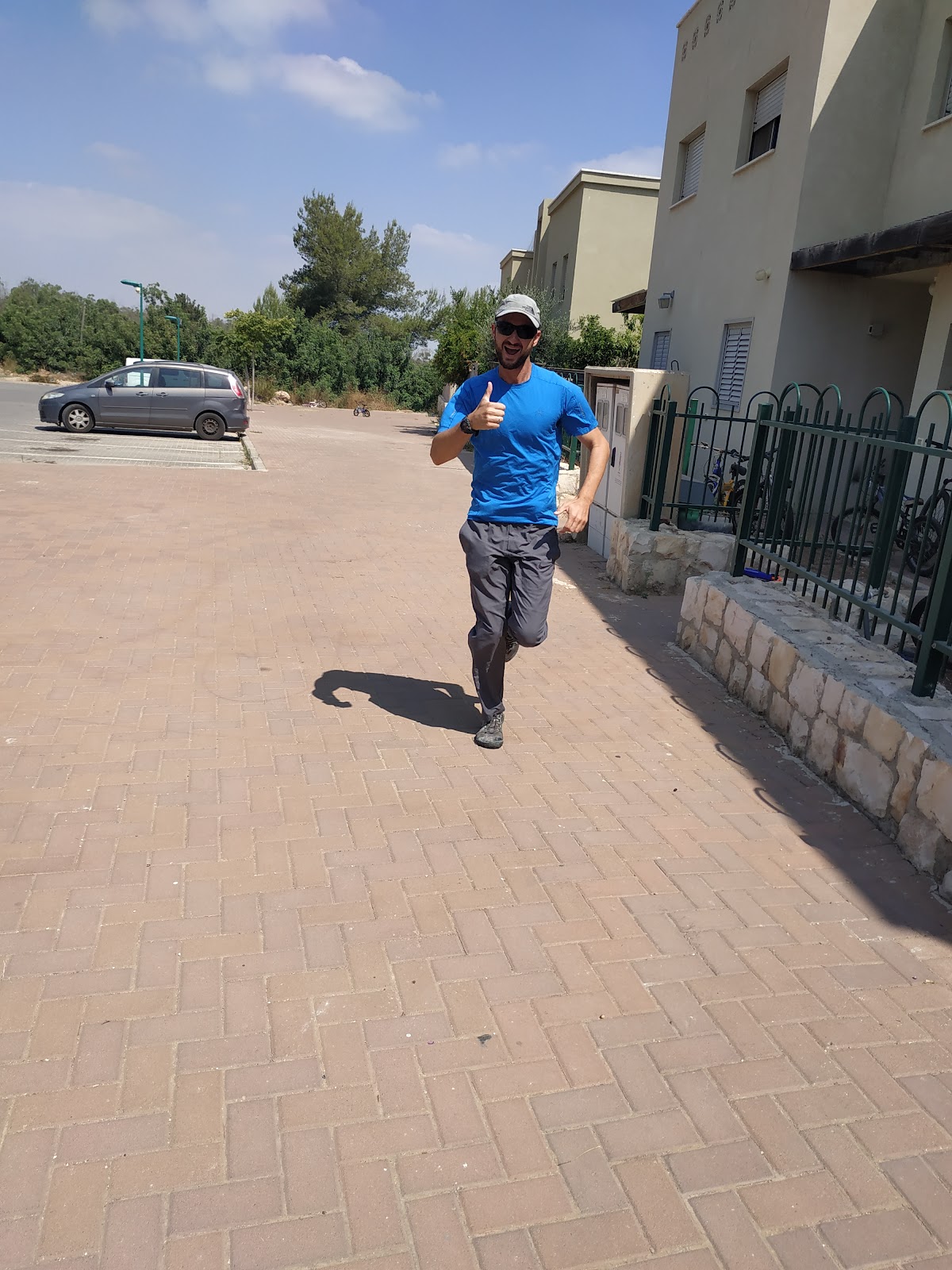
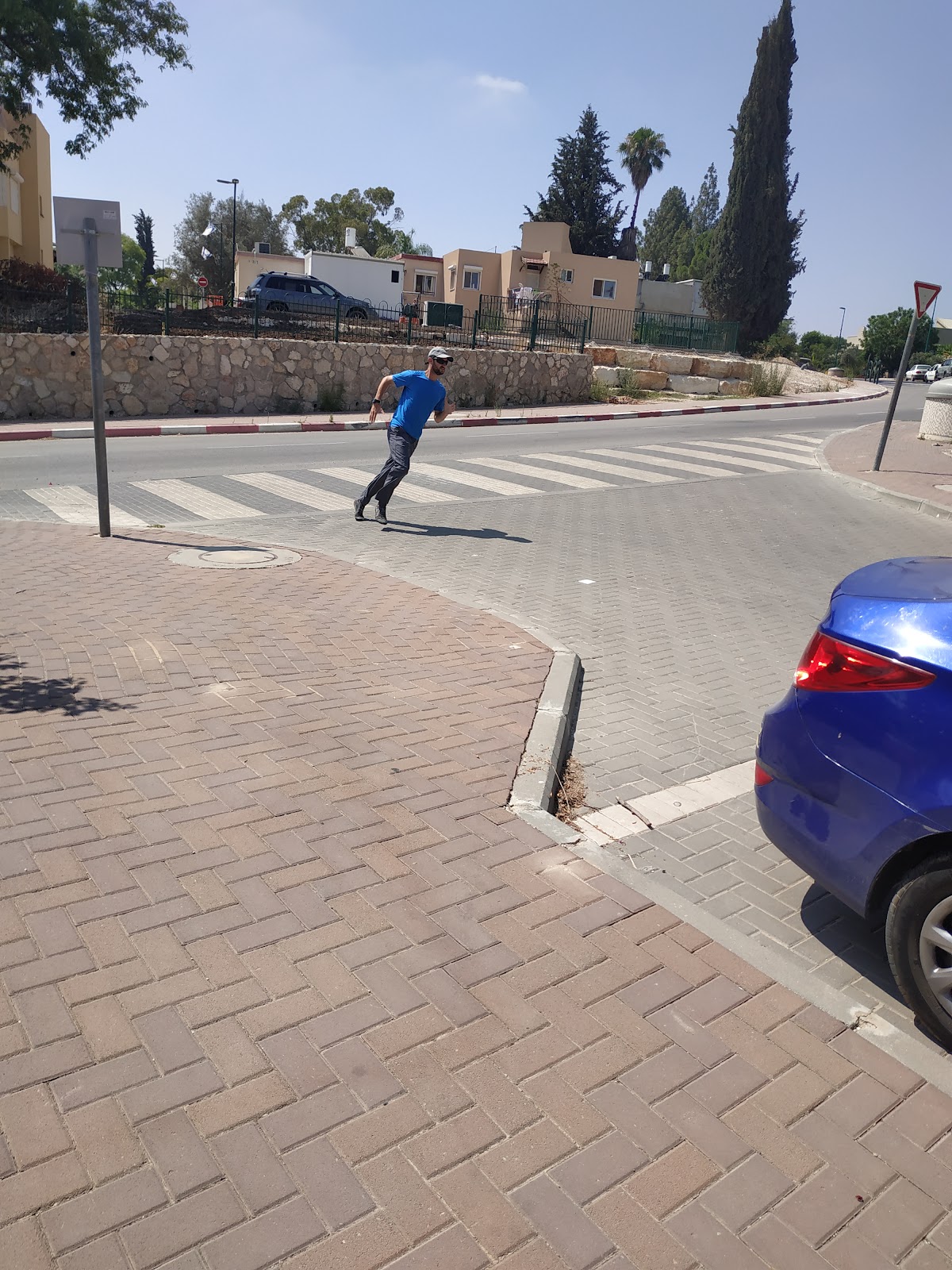
Despite being a trail shoe, they run nicely on the roads and they are also great for sprint training as they almost feel like track spikes, but with a wider toe box and they can handle tougher terrain.  They can be a little bit stiff at first, but as they loosen up a little, they start to feel very comfortable. This is a unique shoe and I have logged in some great trail runs and interval training in them and to emphasize again, I am very impressed by their super minimalist design, comfort while running, and their durability.  

Vibram Five Fingers Spyridon Running Shoe Review

Reviewing the Vibram Five Fingers Spyridron MR Elite

Mordechai Sopher

For those who have never tried running in Vibram Five Finger shoes, I definitely recommend trying a pair of them and experiencing the feeling of running barefoot but with the addition of extra foot protection and great traction.  I was initially turned off by their strange look, but after taking my friend’s pair out for a spin almost ten years ago, I got hooked. “Barefoot” running forces proper technique through running on the balls of the feet and giving the leg muscles an excellent workout. . For anyone looking to improve their speed and running form while strengthening their legs, I strongly suggest incorporating Vibrams into their training.  I enjoy them for short and middle distance running as well as sprinting and interval training and workouts in my vibrams add an important element of form and strength building to my overall training. 

The Spyridon MR Elite:

The Sole:

This particular model is unique in that it has a sole that is meant for off-road running.  It has a typical Vibram patented sole that is durable, extremely flexible, and with tread that does not wear down easily.  This model has added luggs on the tread to provide more traction on the trails. The toes are reenforced with rubber treading to prevent stubbing toes and to provide additional traction. 

Weight:

As to be expected, they are super light minimalist shoes that feel feather weight on the feet.   (5.49-oz to 7.45-oz depending on the size). Runners who are already accustomed to minimal shoes may feel that they are slightly heavier, which is because they have extra material that goes up to the ankle to make them high-tops, and a thicker sole to handle more rugged terrain.  Even so, they are light as can be and fun shoes that still give you the barefoot experience.

High Top:

A big difference in this model is that it is a high top shoe.  Many Five Fingers can be very low cut and this is a high top that velcros just above the ankle.  This high top is not a super ankle stabilizer but it does give a bit of extra ankle support and acts as a gator to effectively stop debri from entering into the shoe. There is also a rubber piece going across the top of the shoe that keeps your foot in place and does a pretty good job of providing stability.   The cord lacing, like with most Five Fingers models, does not come untied and it tightens the shoe nicely around the foot. There is also a pull tab on the heel of the shoe that is useful for slipping this tight fitting shoe on and off. 

Important to Know:

This is a shoe that has some of the important defense mechanisms of a trail shoe, like the thicker and grippier sole and the high top gator.  However, I have found that this shoe is limited to less intense terrain. Even small rocks can be felt through the sole and they are more effective on softer terrain, rather than the rocky terrain, which I often run on.  

The ventilation can be an issue with Five Fingers in my opinion.  They start to heat up and they can start to smell. This model even more so, since it has a high top, whereas other low models naturally let in more air through the sides.  This shoe seals nicely to the foot, but the foot can sweat and not get enough airflow. Air them out well and spray them after using them!!

Overall Summary:

Once you successfully put on a pair of Vibram Five Fingers (don’t worry, you get faster at it after a few tries), the shoes provide an excellent barefoot feel that straightens your posture, improves toe splay, makes you focus on running form, and provides great enjoyment from a barefoot running experience.  With this high top model it is a cool feeling putting them on, as they are a combination of a barefoot and a high top shoe… a minimalist shoe meets a trail shoe. I really like to sprint train with them and do studio workouts with them, even though I bought them as a minimalist trail running shoe. They have lasted me a long time, but partially because I take them on less rugged terrain than I originally anticipated. They are unique shoes, and although I prefer other types of minimalist trail shoes over them, I do view them as an important part of my speed training, strength training, and form training, and there are many uses for this shoe.  

About Mordechai Sopher

Thanks for stopping by to check out my articles. This blog has two main themes: writings related to fitness , and sharing powerful messages from the Torah.

My Background: First of all I am a simple Jew and blessed father and husband, who lives in Israel. I work as a fitness trainer and Physical Education teacher. Although admittedly I am not tech savy, I like to write and this is my way to share some of my articles on Fitness and Torah. Enjoy!

Design a site like this with WordPress.com
Get started